
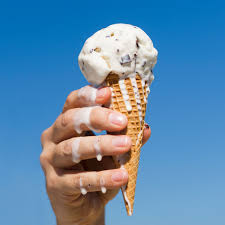
MELTING – solid to liquid – Occurs when a solid gains enough energy. As the solid particles gain energy, they begin to vibrate more and more until they are able to break free from their positions. At this point the particles can slide past each other as a liquid. Ice begins to melt once its temperature raises to 0 degrees Celsius.
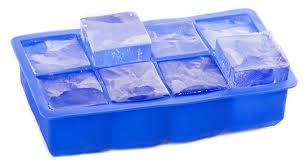
FREEZING – liquid to solid – Occurs when a liquid loses enough energy. As the liquid particles lose energy, the slow down until they are unable to leave the position they are in and become stuck in place. At this point the liquid has become solid and will hold its shape. Water begins to freeze once its temperature lowers to 0 degrees Celsius.

VAPORIZATION – liquid to gas – Occurs when a liquid gains enough energy. As the liquid particles gain energy they move faster and faster until they have enough energy to break free from the surface and continue moving throughout the whole container. Vaporization can happen in two ways:
Boiling happens when the energy is gained through heat. Water will begin to boil at 100 degrees Celsius.
Evaporation happens when the energy is gain from other sources like a puddle on the ground. Energy gained from the sun and wind help the particles evaporate.
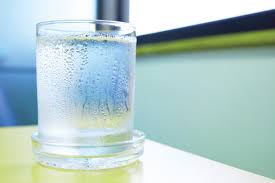
CONDENSATION – gas to liquid – Condensation happens when a gas loses enough energy. As the gas particles lose energy the slow down until they no longer have enough energy to fill the entire container. At this point they will settle onto the nearest surface and fall to the bottom of the container as a liquid does. Water vapor in the air condenses when it comes into contact with cold surfaces like the outside of a glass or your bathroom mirror.

DEPOSITION – gas to solid – Deposition is a special phase change that only happens in certain situations. In this phase change, matter rapidly loses energy causing it to change from the gas phase straight to the solid phase without becoming a liquid first. During the winter water vapor in the deposits on the ground overnight as temperatures drop rapidly and the sun is no longer providing energy. We call this deposited ice frost.

SUBLIMATION – solid to gas – Sublimation is another phase change that only happens in certain situations. In this phase change, matter jumps straight from the solid phase to the gas phase without becoming a liquid first. Dry Ice is an example of something the sublimates. Dry Ice, which is the solid form of Carbon Dioxide, never becomes a liquid when warmed. Instead it is released into the room as Carbon Dioxide gas. Sometimes regular Ice will sublime in the freezer as well. If your freezer is very very dry, ice cubes will “disappear” as the solid water becomes a gas.
Remember that each phase change has an opposite:
Sublimation and Deposition are opposites.
Melting and Freezing are opposites.
Vaporization and Condensation are opposites.
You should also the know the following temperatures where water will change phase:
Freezing Point – 0 degrees Celsius
Melting Point – 0 degrees Celsius
Boiling Point – 100 degrees Celsius
Condensation Point – 100 degrees Celsius
 The States of Matter